
manufacturing process of portland slag cement manufacturer Grasping strong production capability, advanced research strength and excellent service, Shanghai manufacturing process of portland slag cement supplier create the value and bring values to all of customers.
 WhatsApp)
Aug 21 2014· The concrete is on par with the strength of Portland cement The ecofriendly Drexel process could help a country like China who uses 15 gigatons of cement a year or enough to make 2000 pentagons Notes an EPA report on reducing greenhouse emissions " slag will offset emissions from the cement manufacturing process on a oneforone basis
Mount cement PSC Force Cement PSC Portland Slag Cement This cement is produced by mixing Portland cement clinker gypsum and granulated Blast Furnace slag in suitable proportions and grinding the mixture to get a thorough and intimate mixture between the constituents
Portland Cementmade from Slag and Limestone Granulated slag is very extensively used in Britain Europe and more so in USA in the manufacture of Portland cement The Universal Portland Cement Co make a cement of this class and have five mills whose combined production is barrels or tons per year
Manufacturing Process Portland cement a combination of calcium silica aluminum and iron is the fundamental ingredient in concrete Producing a calciumsilicate Portland cement that conforms to specific chemical and physical specifications demands careful control of the manufacturing process
Portland cement is a manufactured product that is an ingredient in various concrete products Portland cement is sold as a fine powder that is blended with water and aggregates to make Portland cement concrete PCC Portland cement is composed of calcium silicates calcium aluminates calcium aluminoferrites and usually some gypsum
Slag Cement Lafarge NewCem is a supplementary cementitious material SCM It can be used in tested quantities to enhance the desired properties of concrete Slag Slag is produced during the ironmanufacturing process During the manufacturing process the materials are heated in a blast furnace to a molten state
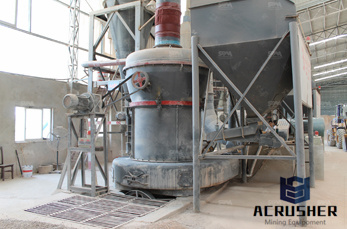
Oct 12 2019· Slag cement often called ground granulated blastfurnace slag GGBFS is one of the most consistent cementitious materials used in concrete It is actually a byproduct of iron production When the iron is processed using a blast furnace slag and iron both collect at the bottom of the furnace
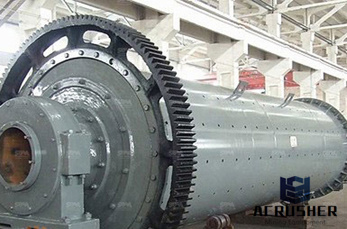
Feb 07 2020· Slag cement blended with Portland cement first appeared in Germany in 1892 and four years later was introduced to workers in the United States By the 1950s the advances made in both the slag removal and the granulation processes resulted in it being used as an entirely separate product that was added at the concrete mixer
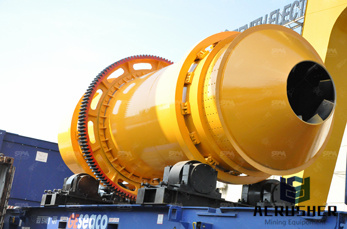
Among these three kinds of slag GGBFS is the most valuable one in cement industry Due to its cementitious properties mixing with lime alkalis or Portland cement GGBFS is often used to make blastfurnace slag cement The history of the production of slag cement in Germany France Luxembourg and Belgium has been more than one century
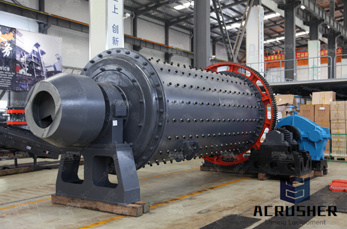
Skyway Cement receives granulated slag from a US steel manufacturer in Gary Indiana In the blast furnace at the steel works slag is produced when the mineral components of th e metal refining process separate from and float on the molten iron
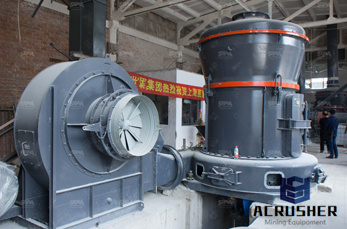
Slag cement is a hydraulic cement formed when granulated blast furnace slag GGBFS is ground to suitable fineness and is used to replace a portion of portland cement It is a recovered industrial byproduct of an iron blast furnace
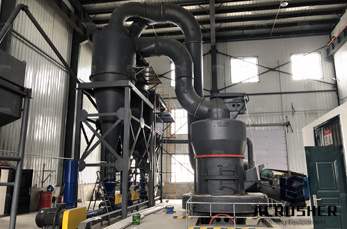
Slag cement is a recovered byproduct of the iron manufacturing process and can be used to replace a portion of portland cement in concrete mix design The use of slag cement has demonstrated longterm performance enhancements allowing designers to reduce the environmental footprint of concrete while ensuring improved performance and increased
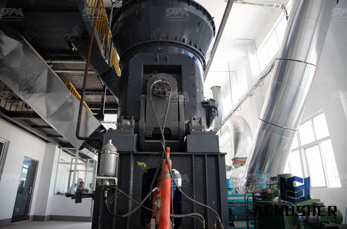
Slag cement or ground granulated blastfurnace slag GGBFS is a recovered byproduct of the iron manufacturing process and can be used to replace a portion of portland cement in concrete mix design To learn more about how slag cement is created click here
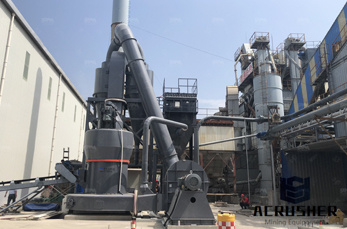
During the production process a water spray procedure is sometimes applied to accelerate the cooling process Because of the hard and dense property aircooled slag is utilized in road bases asphalt paving or as concrete aggregate etc Among these three kinds of slag GGBFS is the most valuable one in cement industry
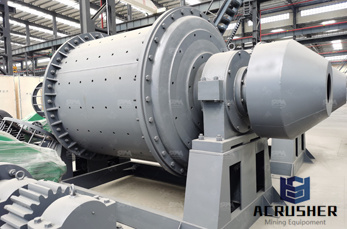
Manufacture of Portland pozzolana cement The primary raw materials used for this cement manufacture are limestone CaCO2 and clay SiO2AI2O3Fe2O3 Rocks are loaded into trucks and transported to the crushers where the crushed into fine particles
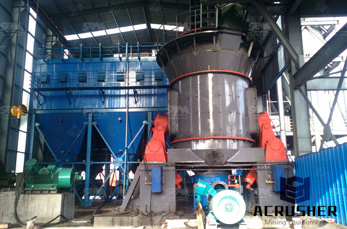
This process is completed at a temperature of around 1400 °C the resulting product is Portland cement clinker The clinker is cooled to a temperature at which it can be conveniently handled 60 150 °C
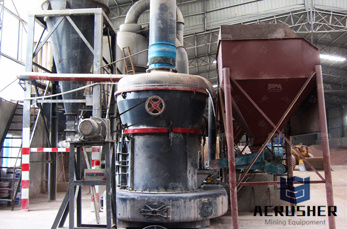
PSC or Portland Slag cement is manufactured by either grinding the Portland clinker with gypsum and granulated slag or blending the ground granulated blast furnace slag GGBS with Ordinary Portland cement by means of mechanical blenders Normal composition of portland cement is 30 clinker 5 gypsum and 70 blast furnace granulated slag
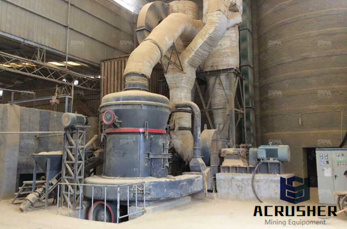
Portland slag cement is the most suitable cement for concrete paths mass concrete uses structures and bases Precast concrete concrete open to seawater and oceanic use All compositions produce high ultimate strength but as slag content is increased initial strength is reduced while sulfate resistance upsurges and heat evolution moderates
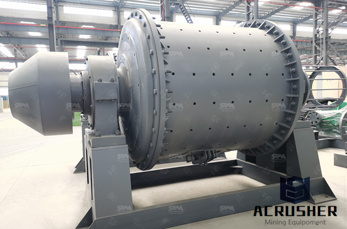
Portland Slag Cement PSC is manufactured by either intergrinding in the Portland cement clinker Gypsum Granulated Slag or mixing the Ground Granulated Blast Furnace Slag GGBS with Ordinary Portland Cement by means of mechanical blenders It is created with a blend of 45 50 slag 45 50 clinker and 35 gypsum
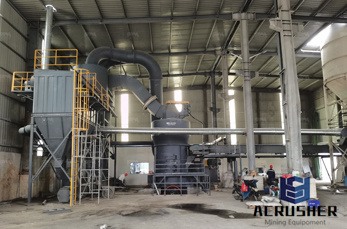
Sustainability Slag cement can typically replace 25 to 65 percent of Portland cement in a concrete mix and up to 80 in mass concrete depending on the specific application providing improved resistance to sulfates chlorides and alkali silica reactions better than standard concrete This byproduct of iron manufacturing can help your project
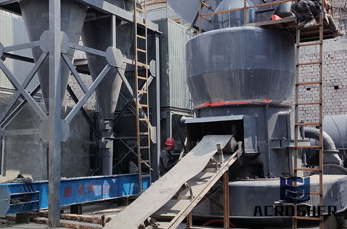
The Process for Making Portland Cement Materials that contain appropriate amounts of calcium compounds silica alumina and iron oxide are crushed and screened and placed in a rotating cement kiln Ingredients used in this process are typically materials such as limestone sandstone marl shale iron clay and fly ash
WhatsApp)
 Online Chat
 Sales Hotline